Daily Devotional – Wednesday, July 29, 2026
He who is faithful in what is least is faithful also in much; and he who is unjust in what is least is unjust also in much.
Luke 16:10 (NKJV)
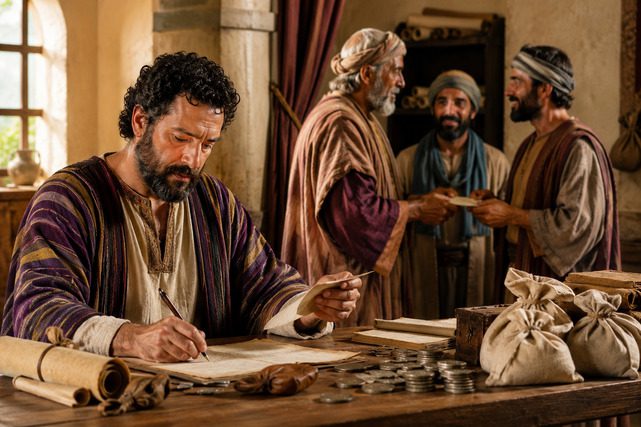
Jesus told the story of a steward who had squandered his master’s possessions and was about to lose his position. Realising he had little time left, the steward reduced the debts of several people so that they would welcome him when he was dismissed. His master commended his shrewdness, not his dishonesty. Then Jesus shifted from the story to its meaning. The issue was about more than money. It was about the kind of person someone proves to be when entrusted with what belongs to another. Character had been on display all along.
What Small Responsibilities Reveal About You
That is why Jesus immediately says, “He who is faithful in what is least is also faithful in much.” The size of the responsibility is not His focus. The person handling it is. Someone who is trustworthy with a little will not suddenly become trustworthy with more, because faithfulness is part of their character. The opposite is equally true. Small responsibilities have a way of revealing what larger responsibilities will eventually make impossible to hide. That truth should make every ordinary duty matter to us.
Jesus does not leave us wondering what “the least” means. In the next verses He speaks about earthly wealth and contrasts it with “the true riches.” Money and possessions are temporary, yet they reveal something lasting about us. How we handle what God places in our hands says far more about our hearts than we sometimes realise. The amount is not the issue. What matters is whether we prove trustworthy with what God has entrusted to us. That is the character God is looking for.
The Character God is Looking For
The steward failed because he treated his master’s possessions as though they existed for his own advantage. Jesus calls His followers to live differently. Everything we manage ultimately belongs to God, whether it is our money, our abilities, our time, or our opportunities. Like the steward, we are managing what belongs to someone else. Unlike the steward, we know who our Master is and what He expects. Faithfulness begins long before anyone notices it because integrity is formed in the ordinary moments of everyday life.
You may never manage a large organisation or oversee great wealth, but you will face smaller opportunities today. Returning the correct change, keeping a promise, caring for borrowed property, or handling money honestly may go unnoticed by other people. Those moments rarely seem important, yet Jesus says they reveal our character. Before asking God to entrust you with greater things, ask whether you are faithfully caring for what He has already placed in your hands. That is where genuine faithfulness begins.
Pray
Lord God, help me to be faithful in all the responsibilities that You entrust to me, whether or not others see it. Shape my character so that my integrity may magnify Thee in the lowest duties and the highest opportunities.